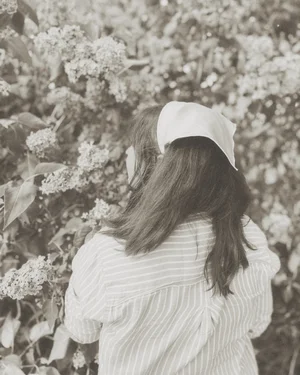
8 Flowers We’re Growing in Our English Cottage Garden
Disclaimer: Many of the flowers and plants featured in this blog are toxic to people and/or animals. Though some are explicitly mentioned in their write up, you should always research each plant, and ensure you’re comfortable planting them before adding them to your garden.

Earlier in the spring, we decided that we wanted to turn one of the gardens into an English cottage style garden. If you aren’t familiar with that style, it involves a lot of informal spacing and design with dense planting, as well as a mixture of various kinds of plants, both ornamental and edible, as well as various heights and colours that are native to the UK. In my opinion, it forms a beautiful, chaotic and inviting garden that is full, and requires minimal day-to-day care.
Being that I love English-style cottage design, it probably comes as no surprise that having the garden to match is a no brainer! If you’re wanting to implement this style of garden space into your home as well, and you’re not sure where to start, or what to plant, here’s a brief overview of the main players in our English cottage garden.
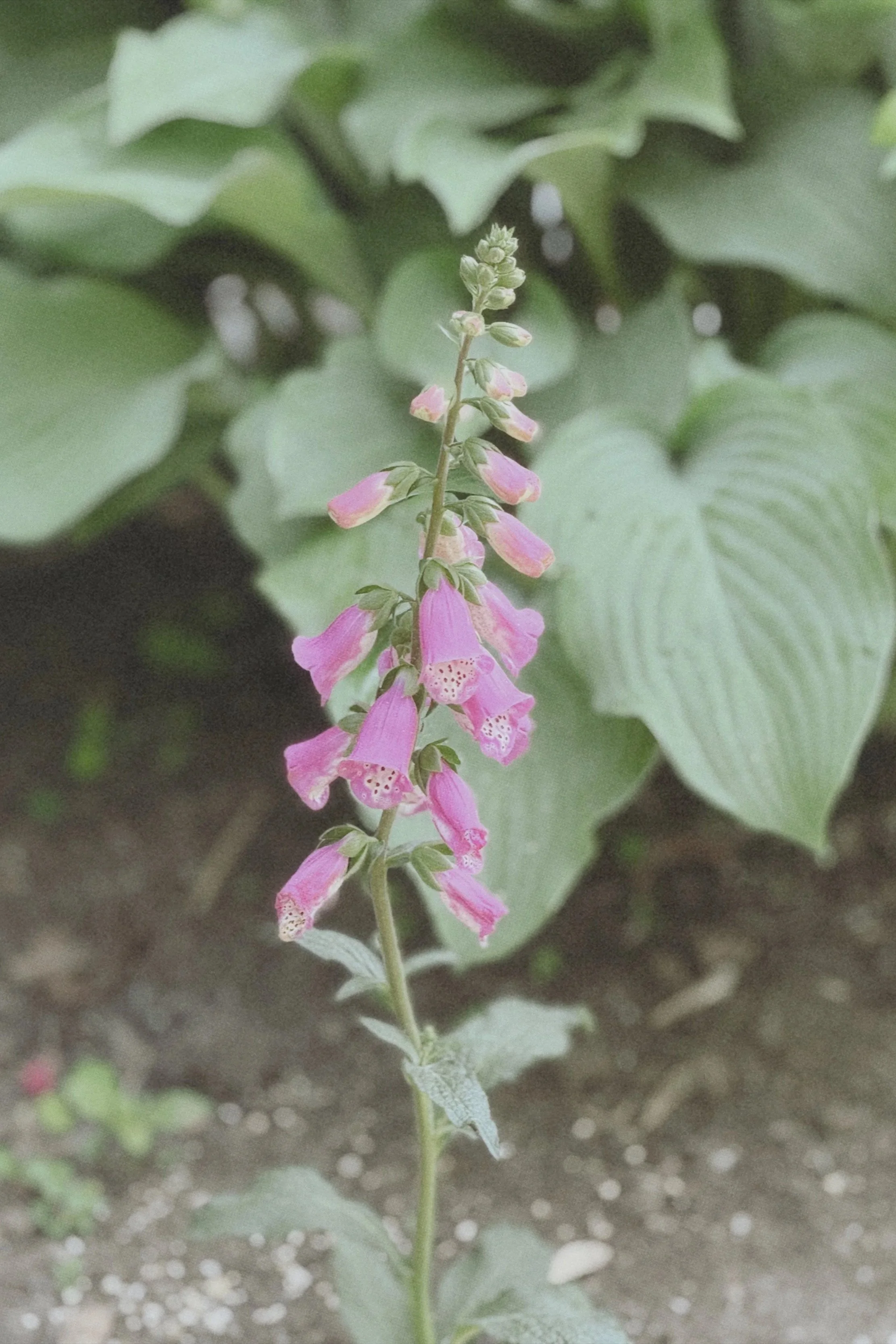
01. Foxglove
Foxglove is easily one of my favourites to include in this style of garden. We have both a white one, and a magenta pink plant. The speckled dots on the inside of the petals are an invitation for pollinators, and therefore a great addition to your garden. Note, that this plant is not native to North America, and is extremely toxic. Do not under any circumstances ingest foxglove, and if you have any pets that like to snack on plants, this is absolutely not one to include in your garden.
02. Delphinium
Similar-ish to a foxglove is a delphinium. They are another beautiful, tall, flowering plant that comes in a variety of colours that make a beautiful addition to a cottage garden. But, they are also another that is extremely toxic to people and animals. Again, if you have pets that like to snack on plants, this is not one to include in your garden. They are stunning, but not worth a trip to the ER or vet!
03. Black Eyed Susan
Black Eyed Susan's (also known as rudbekia) are one of those flowers that just bring me joy whenever I see them. Their bright yellow petals in contrast with their dark centres add the most beautiful pop of colour to a cottage garden, and they are perennials in many zones, and are native to North America. They also attract pollinators, so if there’s one plant I highly recommend, it’s this one!
* Please note, this another plant that is toxic to some animals.
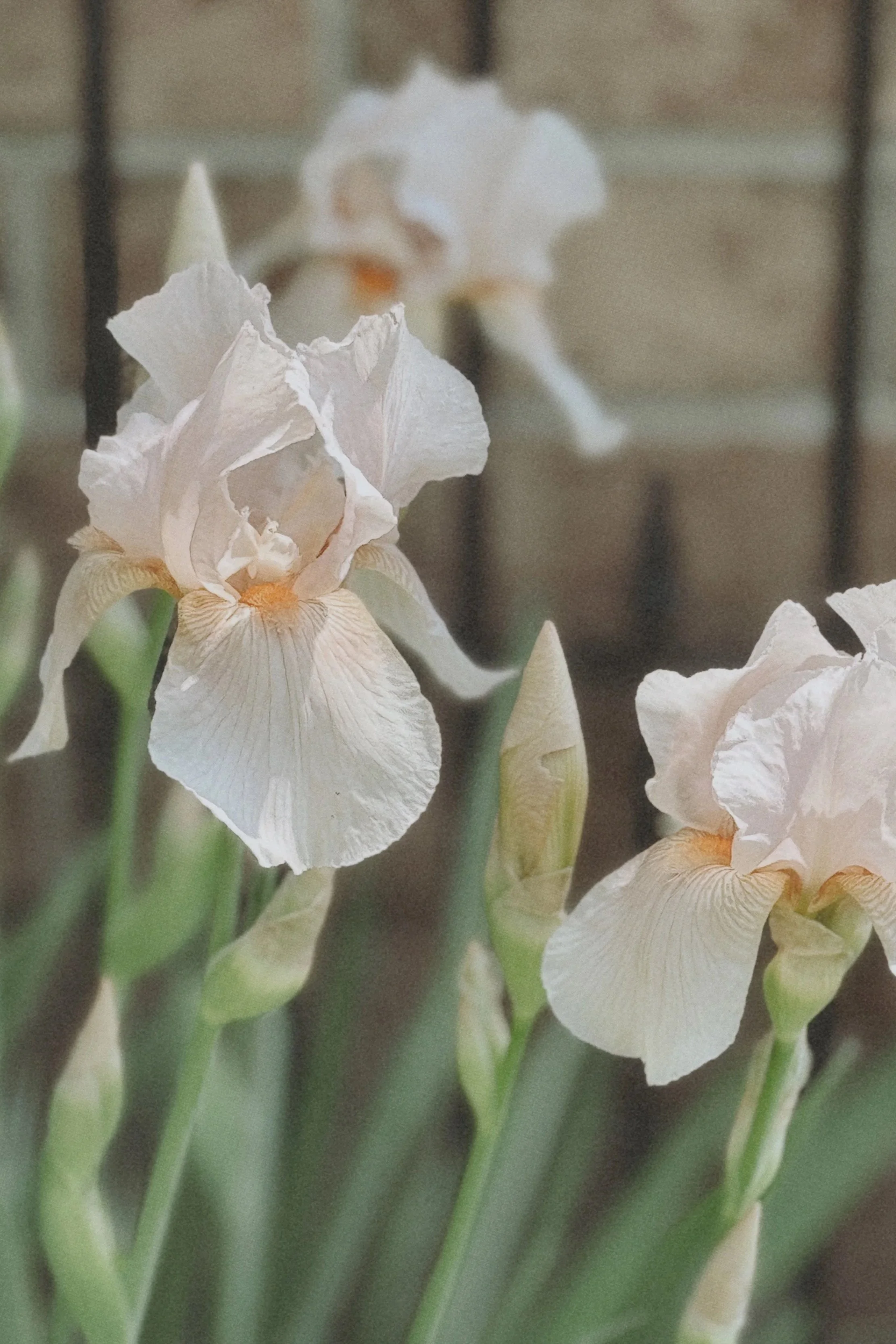
04. Iris
To be honest, irises have never been a personal favourite of mine, but they are undeniably a beautiful addition to a cottage garden, and are quite easy to grow, and are perennials in many zones. They are on the medium-to-tall side in height, and require lots of sun, so ensure that they’re in a bright location, not shaded by other taller blooms.
05. Climbing Rose Bush
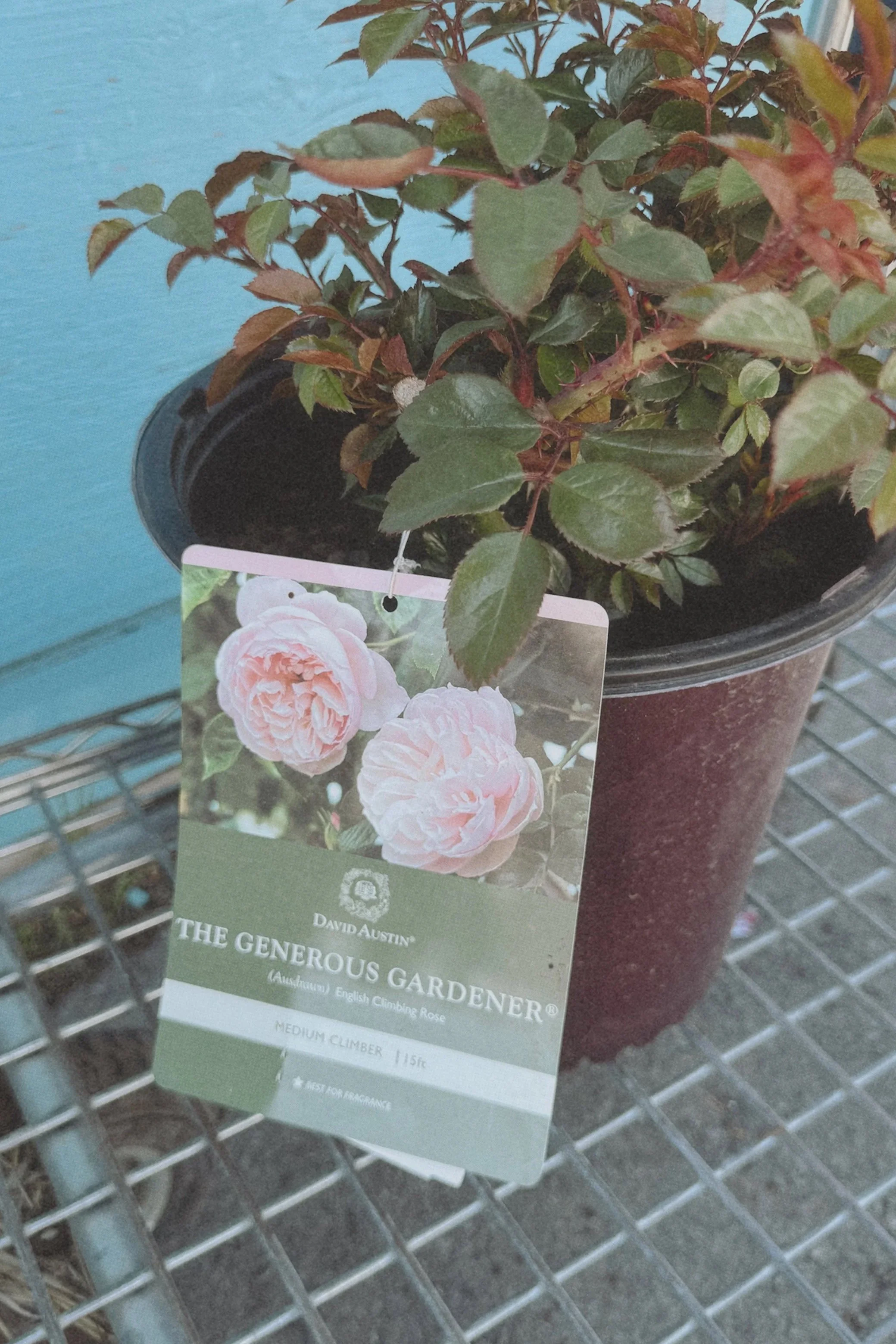
Another favourite of mine is a rose bush, but especially a climbing rose bush. We just added two new David Austin roses to our garden this year, and the one we added to our cottage garden is the Generous Gardener, which is a medium climber, capping at up to 15’. Though it’s still a small bush, as it grows, we’ll be training it to run up an obelisk to add a beautiful and tall addition to the garden. However, be warned, these are a favourite of many wild animals to snack on! Mine fell victim to the rabbits… good thing they’re adorable.
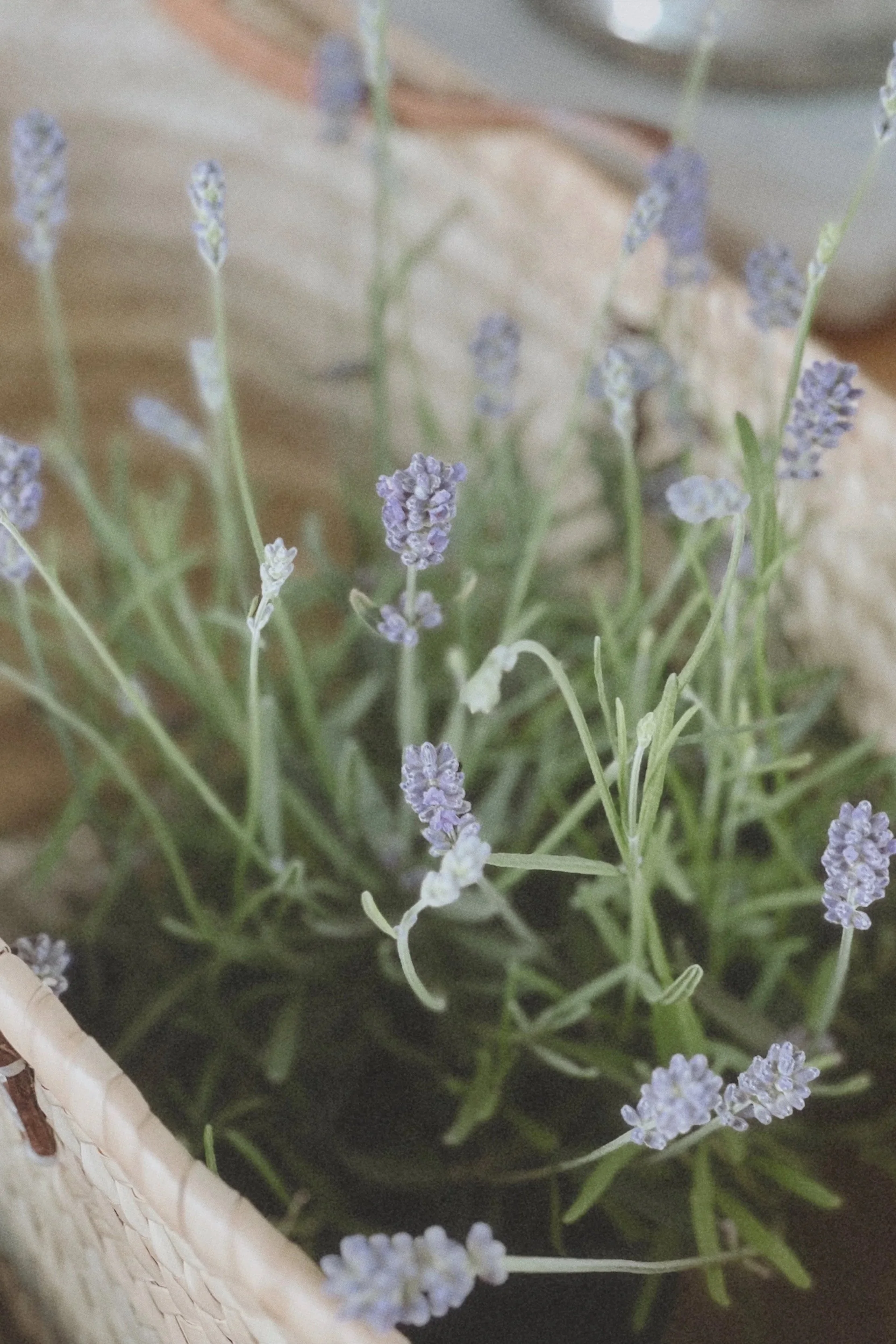
06. Lavender
This may be my number one favourite plant ever… there is nothing I love more than lavender. It brings in so many pollinators, smell incredible, and are a perennial in my zone. I love when the end of the season comes around so I can used the dried bits to make sachets, and add it to epsom salts. There are a few varieties of lavender to pick from, the most common that I’ve seen being Spanish, French and English, and personally my favourite is English.
07. Allium
Also known as ornamental onion! They have a strong oniony smell, and can be quite beneficial for keeping certain pests away. When they bloom, they’ll be white or purple on top, and they typically bloom in the early spring (usually around the same time as tulips & daffodils), and will go dormant for the remainder of the year. Given that these are ornamental, please don’t eat these alliums!
08. Peonies
Last, but certainly not least is another absolute favourite of mine – the beloved peony. Gosh, what’s not to love about peonies? They produce the most beautiful large blooms, smell incredible and fill up a garden in the most stunning way. I just wish they lasted longer! The best part is that the more you cut these for bouquets, the more they will produce, so make lots of bouquets with your peonies this coming spring! Just ensure you dunk them in some water to get those ants off first.
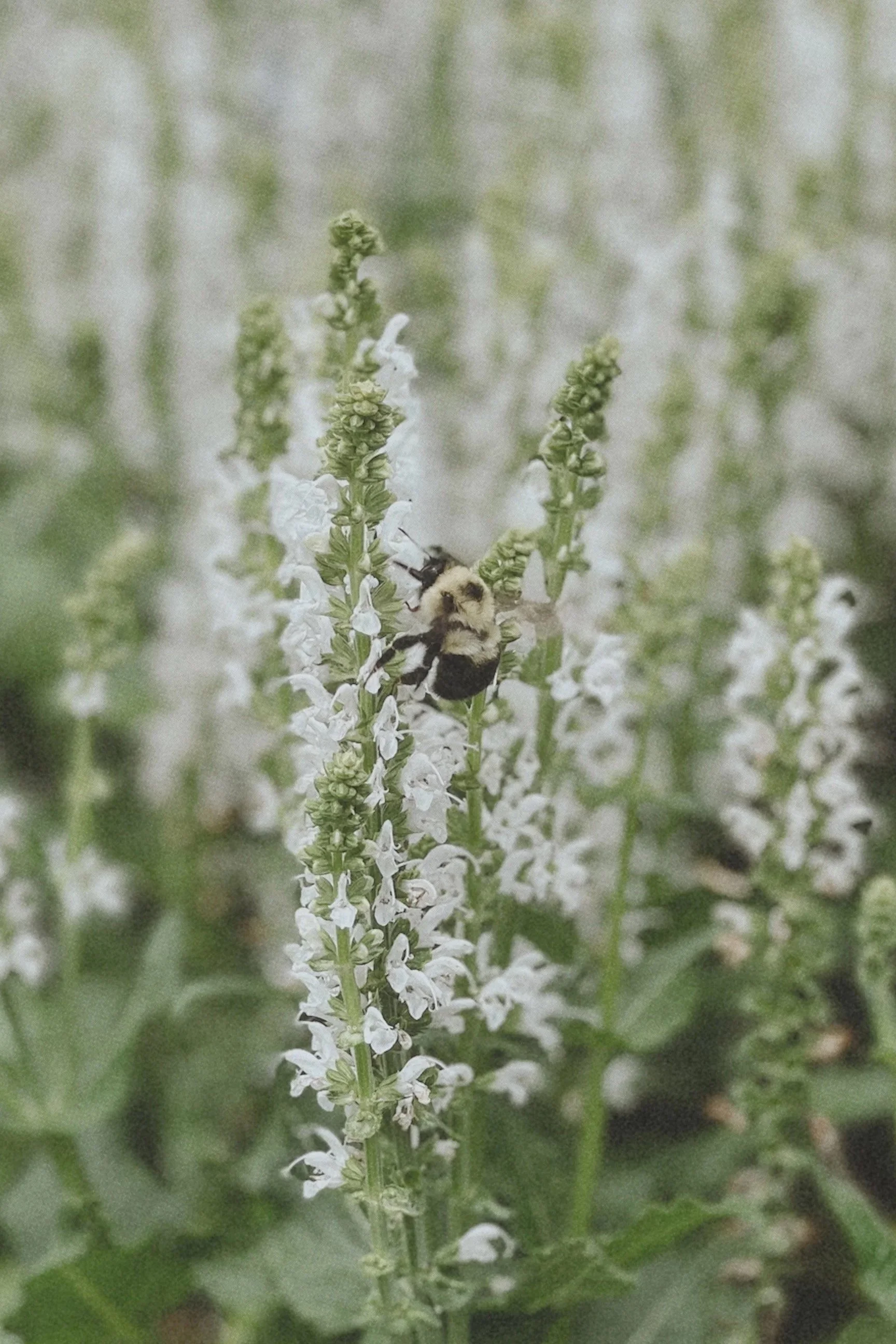
So, those are the most dominant flowers we have growing in our English cottage garden! There are so many other plants that you could include like tulips, dahlias, cosmos, and more. Customize your garden to whatever you like, and guaranteed you will absolutely love it!